 English
 English


Dietary recommendations for people with hyperthyroidism
Hyperthyroidism is an endocrine disorder characterized by the excessive production of thyroid hormones (T3 and T4). It is a common condition, with women being affected 5 to 10 times more frequently than men.
A direct consequence of this condition is a marked increase in basal metabolic rate, leading to rapid energy expenditure, unintentional weight loss, and accelerated muscle protein catabolism. Without timely and appropriate nutritional intervention, patients may face a high risk of malnutrition and muscle weakness, ultimately resulting in a decline in overall quality of life.
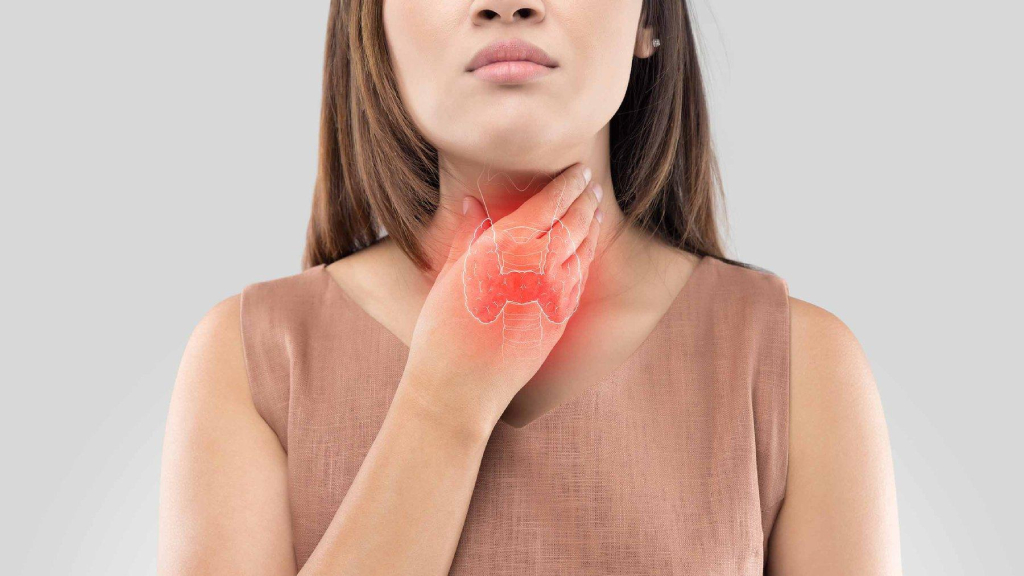
People with hyperthyroidism require special nutritional care
In the treatment of hyperthyroidism, nutrition plays an indispensable supportive role, aiming at two main goals: firstly, to provide sufficient energy to compensate for energy expenditure; and secondly, to control micronutrient factors that may affect hormone production.
This article will analyze the mechanisms underlying increased metabolic activity, identify specific macronutrient and micronutrient requirements, and place particular emphasis on iodine management strategies, based on scientific principles of endocrinology and nutrition.
Fundamental understanding of hyperthyroidism
To develop an effective nutritional strategy, it is essential first to understand the underlying pathophysiology and the physiological changes that hyperthyroidism induces in the body.
Symptoms of Hyperthyroidism

Recognizing the Clinical Features of Hyperthyroidism
Hyperthyroidism is a condition in which the thyroid gland produces excessive amounts of T3 and T4 hormones. Elevated levels of these hormones lead to a wide range of clinical manifestations. Common symptoms include increased heart rate, unexplained weight loss, hand tremors, excessive sweating, heightened anxiety, and muscle weakness. Early recognition of these signs is essential for timely diagnosis and intervention, helping to prevent serious complications affecting the cardiovascular and nervous systems.
Mechanisms driving increased metabolism in hyperthyroidism
Elevated T3 and T4 levels accelerate cellular metabolism at a fundamental level. Biochemically, these hormones enhance the activity of cellular ion pumps (primarily Na⁺/K⁺-ATPase) located on cell membranes, resulting in increased heat production and higher basal energy expenditure.
This hypermetabolic state can raise caloric requirements by approximately 20% to 60% compared to healthy individuals. A direct nutritional consequence is the accelerated breakdown of muscle protein, placing patients at risk of lean body mass loss and malnutrition if dietary intake is not adequately adjusted to compensate for this increased demand.
Why iodine control is essential in hyperthyroidism
Iodine is one of the most debated micronutrients in thyroid nutrition. Its intake must be carefully managed based on underlying biological mechanisms and the patient’s specific treatment plan.
Biological link between iodine and thyroid hormone synthesis
Iodine is an essential component in the molecular structure of thyroxine (T4) and triiodothyronine (T3). The thyroid gland efficiently concentrates iodine from the bloodstream for use in the iodination of thyroglobulin. Therefore, in individuals with hyperthyroidism, excessive iodine intake, whether from food or medication provides abundant substrate for hormone synthesis, potentially overstimulating the thyroid gland and further increasing hormone production. This hormonal surge may not only exacerbate thyrotoxicosis but also interfere with the effectiveness of antithyroid therapies.
When Is a Low-Iodine Diet Necessary?
A strict low-iodine diet (LID) is typically implemented as a medical strategy, particularly before and after radioactive iodine therapy (Radioiodine – RAI, also known as Iodine-131 or I-131) used in the treatment of hyperthyroidism or thyroid cancer. The goal of LID is to reduce the body’s iodine levels to a minimum (usually <50 mcg/day over 7–14 days). This temporary iodine depletion enhances the ability of remaining thyroid or cancerous cells to absorb iodine. As a result, when radioactive iodine (I-131) is administered, these cells uptake it more effectively, leading to more targeted and efficient destruction of thyroid or malignant tissue.

Follow an iodine-restricted diet before and after radioactive iodine therapy
However, in the maintenance treatment of hyperthyroidism with conventional medication, the American Thyroid Association (ATA) recommendation is usually to maintain moderate iodine intake. It is important for patients to absolutely avoid extremely high sources of iodine such as seaweed, algae, iodine-containing supplements, and medical contrast agents, but it is not necessary to completely eliminate iodized salt unless specifically directed by an endocrinologist.
What should and shouldn’t be included in a diet for hyperthyroidism?
After addressing iodine control, the primary focus of nutritional management in hyperthyroidism is to replenish energy and protect lean muscle mass from excessive catabolism.
Recommended foods
For individuals with hyperthyroidism, dietary planning should follow three core principles: restoring body weight, preserving lean muscle mass, and optimizing antioxidant micronutrient support:
– Energy replenishment and weight restoration: Due to significantly increased energy expenditure, patients need to raise their total caloric intake. While recommendations should be individualized, energy needs may increase by 20%–60% compared to normal requirements to prevent further weight loss. Priority should be given to calorie-dense yet easily digestible foods such as avocados, vegetable oils, bananas, and energy-rich snacks between meals.
– Protein for anti-catabolic support: To counteract muscle breakdown, adequate protein intake is essential, typically around 1.2–1.5 g/kg of body weight per day. High-quality protein sources include poultry, eggs, legumes, and dairy products (depending on whether iodine restriction is required).
– Micronutrients for bone protection and antioxidant defense:
+ Calcium and Vitamin D: Hyperthyroidism accelerates bone turnover, increasing the risk of osteoporosis. Adequate intake of calcium and vitamin D is crucial to mitigate bone loss.
+ Selenium and Zinc: The hypermetabolic state increases oxidative stress through the production of free radicals. Supplementation with selenium and zinc is important to reduce oxidative damage. Additionally, selenium plays a key role in thyroid hormone metabolism.
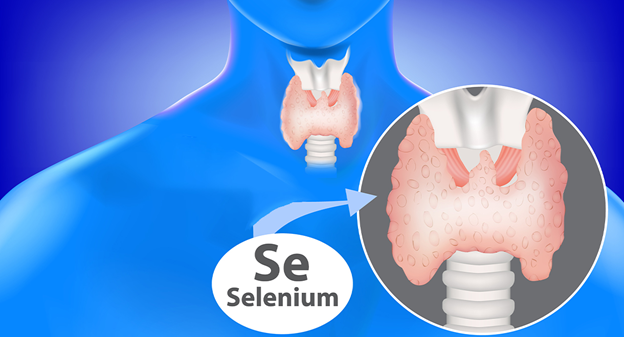
Selenium – an important micronutrient in thyroid hormone metabolism
+ B Vitamins: Support the body’s rapid energy metabolism..
Foods to limit
In addition to ensuring adequate nutrient intake, individuals with hyperthyroidism should avoid factors that may overstimulate the thyroid gland or exacerbate symptoms associated with hypermetabolism.
– Caffeine and stimulants: Minimize consumption of caffeine-containing products (such as coffee, strong tea, and energy drinks), as they can directly increase heart rate, intensify tremors, and aggravate anxiety worsening existing hyperthyroid symptoms.
– Simple sugars and refined carbohydrates: Excessive intake of refined sugars and sweets should be avoided. Although increased caloric intake is necessary, simple sugars can cause rapid insulin spikes and may contribute to heightened fatigue and nervousness.
– Saturated fats and trans fats: Limit fried foods and fast food. These fats can place additional strain on the cardiovascular system, which is already affected in hyperthyroidism and may also impair digestive efficiency.
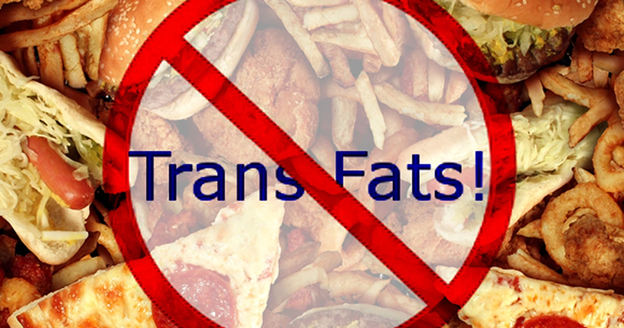
Saturated fats and trans fats place an additional burden on the cardiovascular system
– High-iodine foods: Continue to control the intake of iodine-rich foods (such as seafood and seaweed) in accordance with the endocrinologist’s guidance, which is especially critical in patients undergoing radioactive iodine (RAI) therapy.
Conclusion
Nutrition is an essential pillar in the management of hyperthyroidism, with the primary goal of compensating for the hypermetabolic state and preventing muscle catabolism. An effective dietary strategy requires adequate energy and protein intake to preserve lean body mass. From a micronutrient perspective, strict iodine control under medical supervision, combined with sufficient intake of selenium and calcium/vitamin D, plays a crucial role in supporting antioxidant defense and protecting bone health. By consistently applying evidence-based nutritional principles and avoiding stimulants, individuals with hyperthyroidism can better manage symptoms, optimize treatment outcomes, and significantly improve their overall quality of life.
References
|
Maybe you are interested
Anti-inflammatory diet: A key approach to protecting health in the elderly
[caption id="attachment_3376" align="alignnone" width="871"] Anti-inflammatory diet: A key approach to protecting health in the elderly[/caption] Cardiovascular diseases and musculoskeletal pain...
See more
Dietary recommendations for people with hyperthyroidism
Hyperthyroidism is an endocrine disorder characterized by the excessive production of thyroid hormones (T3 and T4). It is a common...
See more
Spinal bone spurs in the elderly
Over time and age, the vertebrae gradually degenerate, causing Spinal bone spurs. This is a common disease in the elderly,...
See more