 English
 English


Fractures in older adults: how can nutrition help prevent them?
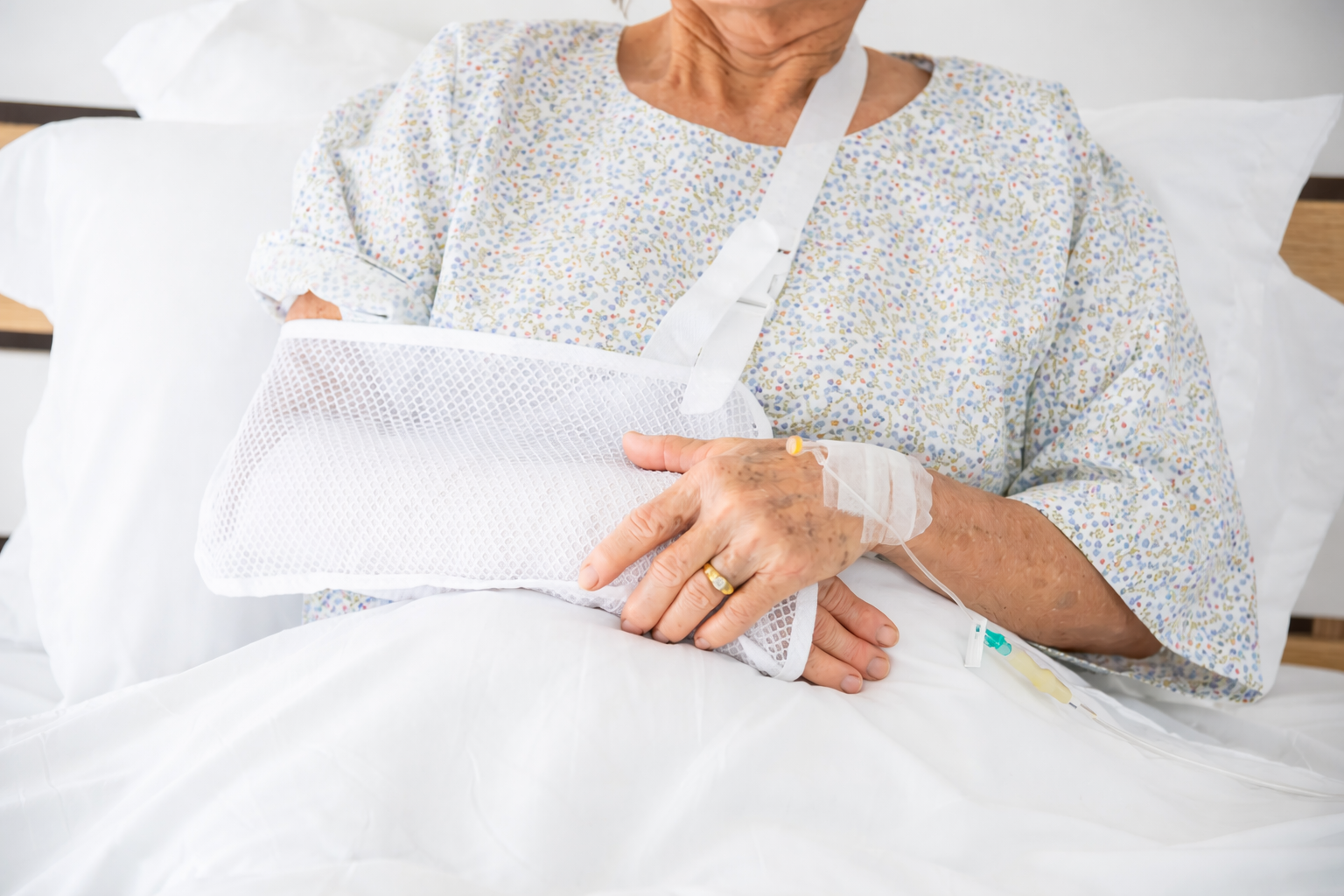
Fractures are a common issue in older adults
Fractures in older adults are a major health concern that directly threatens mobility. According to the International Osteoporosis Foundation (IOF), a fracture occurs every 3 seconds worldwide, with 1 in 3 women and 1 in 5 men over the age of 50 experiencing a fracture. In Vietnam, the situation is even more alarming, with over 170,000 osteoporotic fractures each year, and the number of hip fractures is projected to triple by 2050.
The causes of fractures in older adults are not only due to fragile bones but also the result of a “dual pathology”: osteoporosis (reduced bone quality) and muscle loss (declining strength leading to falls). However, this issue is largely preventable. This article provides evidence-based nutritional strategies to protect bone and muscle health, helping to prevent fractures in older adults.
Pathophysiology of age-related fractures: The combination of osteoporosis and muscle loss
To build an effective prevention strategy, it is essential to first analyze the “dual pathology” underlying fracture risk: the decline in bone quality and the weakening of the protective muscular system.
Osteoporosis: Decline in bone density and microarchitecture
Bone is a living tissue that continuously undergoes a remodeling cycle to repair microdamage and adapt to mechanical stress. This process involves the activity of osteoclasts, which break down old bone tissue, and osteoblasts, which build new bone. In younger individuals, these two processes are balanced. However, with aging—particularly after menopause in women due to decreased estrogen levels—osteoclast activity becomes dominant, leading to an imbalance favoring bone resorption. This loss not only reduces bone mineral density, making bones more porous, but also disrupts the internal microarchitecture, such as trabecular structures. As a result, bones lose their integrity, flexibility, and resistance to force. This explains why even minor impacts can lead to fractures, especially in older adults.
Muscle loss (Sarcopenia): Impaired protective function and increased risk of falls
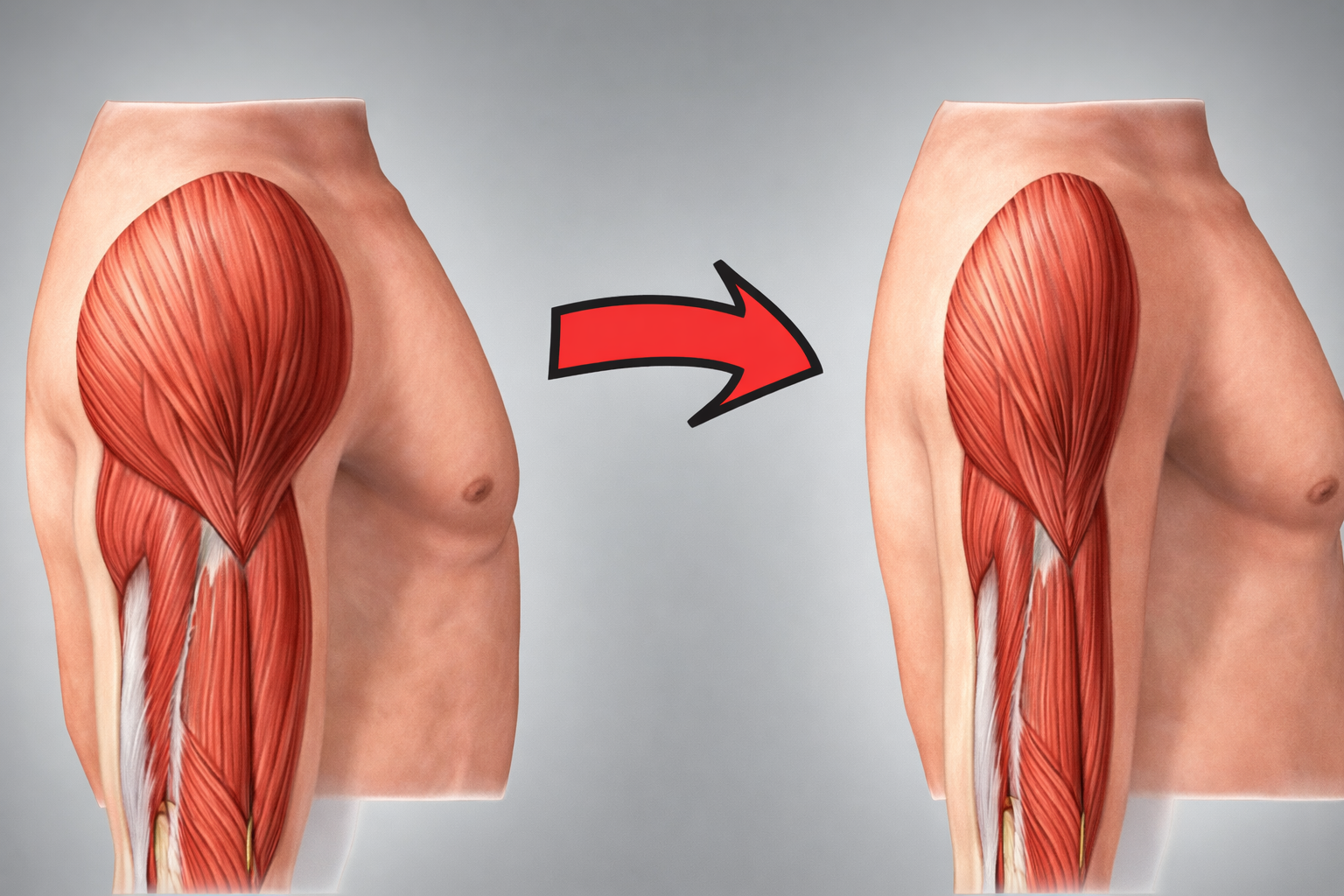
Muscle loss reduces bone protection and increases fall risk
Alongside bone loss is age-related muscle loss (sarcopenia). The core mechanism behind this is “anabolic resistance,” meaning that muscle cells become less responsive to growth signals from protein intake and physical activity. Notably, there is a selective decline in type II muscle fibers (fast-twitch fibers), which are responsible for rapid, powerful reactions needed to correct posture when balance is lost. A weakened muscular system not only increases the risk of falls due to impaired balance and slower reflexes, but also reduces the body’s ability to absorb impact during a fall. As a result, in older adults with sarcopenia, even the force from a simple fall can be transmitted directly to already fragile bones, significantly increasing the risk of fractures.
The vicious cycle and clinical consequences
These two conditions create a dangerous vicious cycle: weak muscles → higher risk of falls → fragile bones more likely to fracture upon impact → fractures lead to immobility → immobility accelerates further loss of both muscle and bone due to the absence of mechanical loading. The clinical consequences of fractures in older adults, especially hip fractures, are extremely severe. Beyond causing pain, they represent a major medical event that often leads to complications from prolonged immobilization, such as pneumonia, pressure ulcers, and thrombosis. Statistics show that a significant proportion of patients never regain independent mobility, experience a marked decline in quality of life, and face a substantially increased risk of mortality within the first year after injury.
Nutritional Intervention: A scientific foundation to strengthen muscle and bone
Nutritional intervention is a key, safe, and effective strategy to simultaneously address both core issues—bone quality and muscle strength—by providing the essential “building materials” for a healthy musculoskeletal system.
The essential trio for bone health: Calcium, vitamin D3, and vitamin K2
Modern nutritional strategies for bone health go far beyond simple calcium supplementation. A scientific and safe approach must be based on the synergy of three inseparable nutrients: calcium, vitamin D3, and vitamin K2, each playing a distinct role in a continuous biological process.
First, calcium serves as the fundamental “structural material.” With a recommended intake of 1,000–1,200 mg/day for older adults, ensuring adequate calcium is a prerequisite. However, supplying the “materials” becomes meaningless if they cannot be delivered to the “construction site”.
This is where vitamin D3 acts as the “key to absorption.” Functioning like a steroid hormone, vitamin D3 activates vitamin D receptors (VDR) in the intestinal lining, promoting the synthesis of calbindin, a protein responsible for transporting calcium across the intestinal wall into the bloodstream. Without sufficient vitamin D3, the body can absorb only a small fraction, about 10–15% of dietary calcium, making calcium supplementation far less effective.
However, the process does not stop there. Once calcium enters the bloodstream, directing it to the bones is what ultimately determines success. This is the “strategic coordinator” role of vitamin K2. Vitamin K2 operates through a critical dual mechanism: it activates osteocalcin, a protein that “captures” calcium molecules in the blood and “anchors” them into the bone matrix. At the same time, it activates matrix Gla protein (MGP), which prevents calcium from depositing in soft tissues and blood vessel walls. A deficiency in vitamin K2 can lead to a paradox where calcium is absorbed into the bloodstream but fails to reach the bones, instead increasing the risk of vascular calcification.
High-quality protein: A dual nutrient for muscle and bone
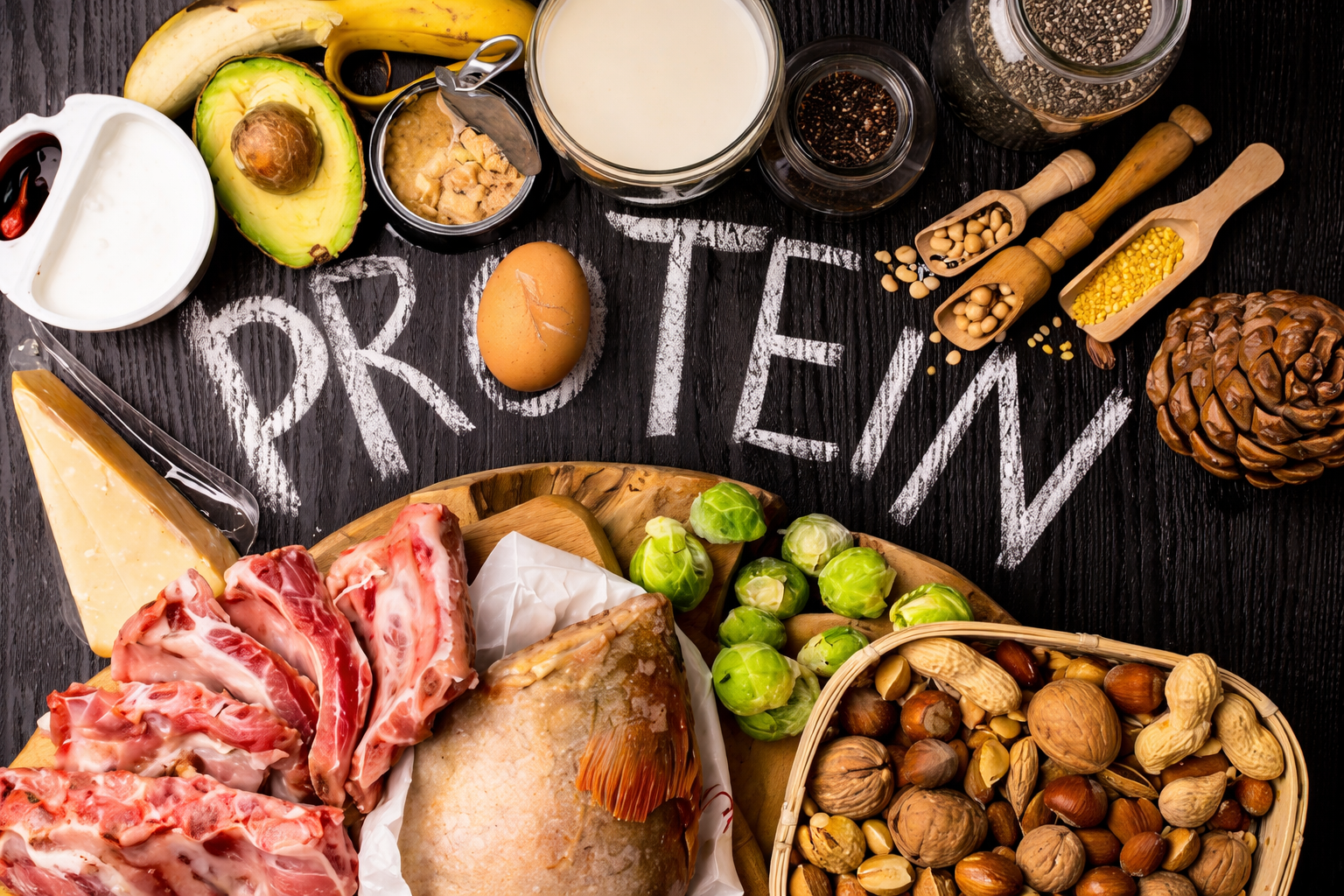
Protein supports muscle building and reduces age-related muscle loss
Widely recognized for its role in muscle building, protein is, in fact, an essential nutrient for both muscle and bone health. Structurally, protein provides the amino acids necessary for synthesizing the collagen matrix, which makes up to 50% of bone volume and forms a flexible “framework” that allows minerals like calcium to be deposited. At the same time, it serves as the raw material for building muscle fibers, including actin and myosin, which determine strength and mobility. Biochemically, protein also stimulates the body to produce IGF-1 (Insulin-like Growth Factor 1), a growth factor with strong anabolic effects on both muscle and bone.
Due to the phenomenon of “anabolic resistance” in older adults, their protein requirements are higher than in younger people. International geriatric associations recommend a protein intake of approximately 1.0 – 1.2 g/kg of body weight per day. To optimize muscle protein synthesis, evenly distributing protein intake – around 25–30 g per main meal – has been shown to be more effective than consuming most of it in a single meal.
Achieving this goal requires selecting high-quality, diverse protein sources. Menus for older adults can be built around protein-rich foods such as:
– Plant-Based Protein:
+ Legumes (lentils, chickpeas): Rich in both protein and fiber. One cup of cooked lentils contains approximately 18 g of protein.
+ Tofu and soy products: Complete plant-based protein sources that are easy to prepare in soft dishes. 100 g of tofu provides 8–10 g of protein.
– Animal-Based Protein:
+ Fish, especially fatty fish (salmon, basa): Not only high in easily digestible protein but also a good source of anti-inflammatory omega-3s. On average, 100 g of salmon provides 20–22 g of protein.
+ Poultry (chicken, duck): Skinless chicken breast is highly lean and protein-dense. 100g of chicken breast contains 25–30 g of protein.
+ Eggs: One large egg supplies about 6–7 g of high-quality protein, making it an excellent choice for breakfast.
+ Milk and dairy products: Greek yogurt is particularly beneficial, containing roughly double the protein of regular yogurt. A 150 g serving provides 15–17 g of protein.
However, meeting the high daily requirements for protein, calcium, and synergistic micronutrients such as vitamin D3 and vitamin K2 through regular meals can be a significant challenge, especially for older adults facing reduced appetite, chewing and swallowing difficulties, and impaired nutrient absorption. In this context, medical nutrition solutions specifically developed to support muscle and bone health have become a scientifically backed and effective intervention. Researched and developed by Nutricare in collaboration with the Nutricare Medical Nutrition Institute – USA (NMNI-USA), the formula in Nutricare Gold supplements and ready-to-drink Nutricare Gold nutritional milk (collectively referred to as “Nutricare Gold”) provides a comprehensive solution that directly targets the two core causes of bone fractures. The product delivers high-quality protein, combining easily absorbed Whey protein from the U.S., supplying essential amino acids efficiently to support the maintenance and regeneration of muscle mass, the foundation for combating sarcopenia. At the same time, the key micronutrient trio of calcium, vitamin D3, and vitamin K2 works synergistically to ensure calcium is not only optimally absorbed but also accurately transported and deposited into the bone matrix. With this multidimensional approach, Nutricare Gold is more than just a supplementary meal, it is a comprehensive nutritional solution that helps older adults strengthen their muscle and bone health, effectively reducing the risk of fractures.
Active Lifestyle: Optimizing bone health and preventing falls
To maximize the benefits of nutrients, they need to be “activated” by an active lifestyle and “protected” by a safe living environment.
The importance of physical activity: stimulating signals for regeneration and strengthening
Nutrition provides the “building blocks,” but physical activity is the “signal” that instructs the body to use those building blocks to strengthen the skeleton. This mechanism is based on a fundamental scientific principle known as Wolff’s Law, which states that bones remodel and strengthen in response to the forces applied to them. A comprehensive and safe exercise program for older adults should include all three types of exercise:
– Weight-bearing exercises:
This group of exercises is the most important for building bone density. Activities such as brisk walking, climbing stairs, dancing, or practicing Tai Chi use your body weight to create mechanical stress on the skeleton. This stress directly stimulates osteoblast activity, promotes mineralization, and increases bone mineral density, especially in key load-bearing areas such as the spine and hips.
– Resistance exercises:
These exercises focus on building muscle strength, which has an indirect but highly important impact on bones. Activities such as light weightlifting, resistance band exercises, or bodyweight strength training increase muscle mass and strength. When muscles contract, they pull on their attachment points on bones, sending signals that stimulate bone formation.
– Balance and flexibility exercises:

Yoga helps improve balance and reduce fall risk in older adults
This group of exercises does not directly impact bone density but plays a crucial role in fracture prevention. Disciplines such as Tai Chi and yoga have been shown in numerous studies to enhance balance, motor coordination, and proprioception—the body’s ability to sense its position in space. Improving these factors significantly reduces the risk of falls, which are the direct cause of most fractures in older adults.
Improving the living environment to minimize fall risks
In addition to strengthening health from within, creating a safe living environment is a simple yet highly effective intervention to reduce the risk of falls. Families can proactively implement a home safety checklist:
– Ensure adequate lighting: Install nightlights in bedrooms and hallways, and make sure light switches are easily accessible from the entrance.
– Keep walkways clear: Remove tripping hazards such as loose cords, unsecured rugs, and clutter on the floor.
– Increase traction: Use non-slip mats in bathrooms and other wet areas, and encourage older adults to wear non-slip slippers indoors.
– Install supportive handrails: Securely install handrails in key locations such as bathrooms, staircases, and hallways.
– Arrange items for easy access: Place frequently used objects within reach to avoid stretching or climbing on chairs.
– Schedule regular health check-ups: Encourage older adults to have annual vision and hearing tests, as sensory decline significantly increases fall risk.
The importance of screening and risk assessment
Effective prevention requires proactively identifying potential risks early. Regular bone health screening enables the identification of high-risk individuals, allowing timely interventions before the first fracture occurs.
– Bone Density Measurement (DXA Scan):
This is considered the “gold standard” for diagnosing osteoporosis. The technique uses low-energy X-rays to measure bone mineral density, typically at the lumbar spine and hip. Results are expressed as a T-score, with osteoporosis diagnosed when T-score ≤ -2.5. Major medical associations recommend periodic screening for postmenopausal women, men over 65, or individuals with high-risk factors (such as family history or long-term corticosteroid use.
– Fracture Risk Assessment (FRAX Tool):
In addition to DXA, physicians may use risk assessment tools such as the FRAX score, developed by the World Health Organization (WHO). This tool combines bone density data with other clinical risk factors (age, sex, prior fractures, smoking, etc.) to estimate the 10-year probability of major osteoporotic fractures and hip fractures. The results enable personalized prevention strategies and inform decisions on the appropriate timing for medical intervention.
Conclusion
Fractures in older adults are not random accidents—they are largely preventable outcomes of osteoporosis and muscle loss. A comprehensive and effective prevention strategy should be built on three strong pillars: scientifically guided nutrition to strengthen muscles and bones from within, appropriate physical activity to enhance strength and resilience, and a safe living environment to minimize fall risks. By proactively applying these principles, older adults can preserve musculoskeletal health, maintain independence, and enjoy a full, high-quality life.
References:
|
Maybe you are interested
ESPEN micronutrient guideline
Trace elements and vitamins, named together micronutrients (MNs), are essential for human metabolism. Recent research has shown the importance of...
See more
Bovine Colostrum in the Treatment of Acute Diarrhea in Children: A Double-Blinded Randomized Controlled Trial
RESEARCH Bovine Colostrum in the Treatment of Acute Diarrhea in Children: A Double-Blinded Randomized Controlled Trial. —- Objectives To evaluate...
See more
Practical guideline on obesity care in patients with gastrointestinal and liver diseases
Patients with chronic gastrointestinal disease such as inflammatory bowel disease (IBD), irritable bowel syndrome (IBS), celiac disease, gastroesophageal reflux disease...
See more