 English
 English


Nucleotides – Immune supportive nutrition for cancer patients
Cancer represents a major global health burden and remains a significant challenge in Vietnam. According to GLOBOCAN 2022, Vietnam records approximately 180,480 new cancer cases each year, making it one of the leading causes of mortality. In confronting cancer, patients often undergo cytotoxic treatments such as chemotherapy, radiotherapy, or major surgical interventions. These therapies, along with the tumor itself, contribute to increased energy expenditure and a profound decline in immune function.
To support the body in coping with and recovering from these challenges, immunonutrition has emerged as an advanced intervention strategy. This approach involves the use of specialized nutritional formulations enriched with bioactive compounds aimed at modulating inflammatory responses and enhancing immune function. Among these nutrients, nucleotides are considered a key component.
To support the body in coping with disease and promoting recovery, immunonutrition is recognized as an advanced intervention strategy. It involves the use of nutritional formulations enriched with bioactive compounds designed to modulate inflammatory responses and enhance the body’s immune function. Among these components, nucleotides are considered a particularly prominent factor.
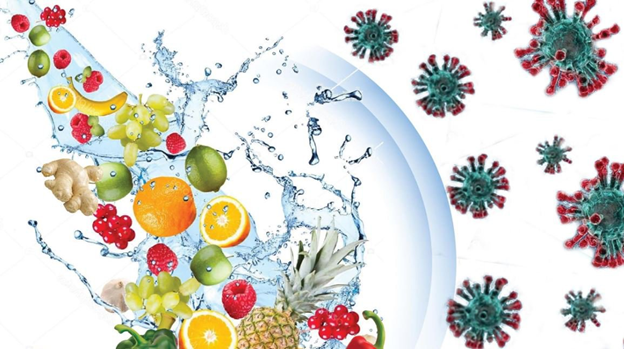
Immunonutrition in Cancer Support
Nucleotides – the fundamental building blocks of DNA and RNA are classified as conditionally essential micronutrients. During cancer treatment, the rapid proliferation of immune cells and intestinal epithelial cells significantly increases the body’s demand for nucleotides, often exceeding endogenous synthesis capacity. Therefore, supplementation becomes crucial to promote cellular regeneration, enhance gut barrier function, and support immune recovery following treatment-related damage.
What are Nucleotides?
To optimize nutritional strategies, it is important to clearly understand what nucleotides are and why they are particularly important for cancer patients. Nucleotides are not merely micronutrients; they are essential components of the biological architecture of all cells.
Nucleotides: Origin and classification
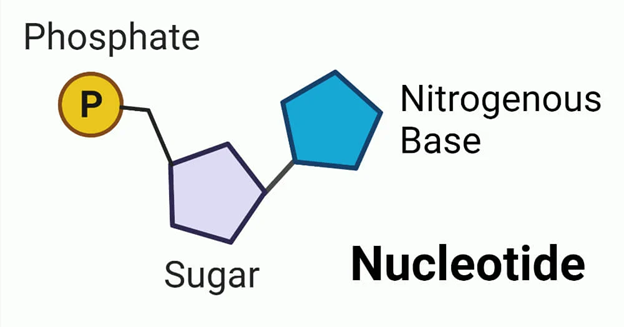
Structure of Nucleotide molecules
Nucleotides are complex organic compounds composed of three fundamental components: a phosphate group, a pentose sugar, and a nitrogenous base (either purine or pyrimidine). They serve a dual function, acting as the building blocks of genetic material (DNA and RNA) while also playing a central role in cellular energy transfer, particularly in the form of ATP.
From a biological perspective, the human body is capable of synthesizing nucleotides through salvage pathways. However, this is a metabolically demanding process that requires substantial energy and enzymatic activity. Under conditions of intense metabolic stress such as during cancer treatment, endogenous synthesis becomes impaired and places a strain on the body’s reserves. As a result, exogenous nucleotide supplementation emerges as an effective strategy to conserve energy while meeting the sharply increased physiological demand.
How Nucleotides work
Nucleotides exert their most pronounced effects on rapidly dividing cells, those that are most significantly impacted during cancer and its treatment:
– Continuous cell proliferation: Immune cells (such as B and T lymphocytes) and intestinal epithelial cells are among the fastest-renewing cell populations in the body. Their rapid turnover requires a substantial supply of genetic material to support proliferation and differentiation.
– Direct substrate availability: Supplementation with exogenous nucleotides provides a readily available pool of building blocks for cellular replication, thereby reducing metabolic burden and supporting efficient cell growth. The presence of nucleotides has been shown to accelerate both cell proliferation and maturation processes.
Experimental studies have demonstrated that exogenous nucleotide supplementation enhances lymphocyte proliferation and promotes intestinal cell differentiation. Additionally, nucleotides have been observed to improve the recovery rate of intestinal villi height following injury or experimental malnutrition, contributing to the restoration of gut integrity and function.
The role of nucleotides in immune function
Beyond their structural role, nucleotides also perform critical regulatory functions, enabling the body to cope with cellular damage caused by cancer and its treatments. Their most significant clinical impacts lie in supporting immune system regeneration and protecting the intestinal barrier.
Supporting immune recovery after chemotherapy and radiotherapy
Cancer therapies are often cytotoxic, leading to a substantial decline in both the number and functionality of immune cells. Nucleotide supplementation can play a key role in recovery through the following mechanisms:
– Enhancing humoral and cellular immune responses: Nucleotides are directly involved in antibody production (IgG, IgM) and the proliferation of T cells. This contributes to restoring immune responses that have been compromised by chemotherapy or radiotherapy.
– Promoting cellular recovery: Supplementation supports bone marrow regeneration, the primary site of blood and immune cell production, thereby helping to shorten the recovery time of white blood cells and platelets following chemotherapy cycles.
Studies have shown that nucleotide supplementation can accelerate the restoration of both the number and function of phagocytic cells, such as macrophages and neutrophils, thereby strengthening the body’s defense against opportunistic infections.
Improve intestinal lining health
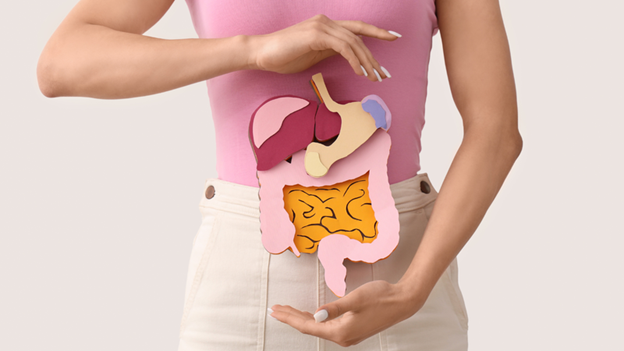
Nucleotides improve the health of the intestinal lining
Intestinal mucosal damage is a common complication of chemotherapy and radiotherapy, often manifested by mucositis, diarrhea, and severe malabsorption. Nucleotide supplementation plays a key role in addressing these challenges.
– Preferred energy source: Nucleotides serve as a readily available energy substrate and building material for intestinal cells, facilitating the repair of mucosal damage.
– Improving intestinal structure: Supplementation has been shown to enhance villus height and increase crypt depth, thereby strengthening the intestinal barrier and reducing the risk of bacterial translocation from the gut into the bloodstream.
– Optimizing nutrient absorption: A healthy intestinal lining is essential for the efficient absorption of both macronutrients and micronutrients, supporting weight recovery and the maintenance of optimal nutritional status.
Nucleotide supplementation during cancer treatment
To maximize clinical outcomes, a nucleotide supplementation strategy should be carefully designed—ensuring an adequate supply to meet heightened physiological demands, while aligning intervention timing with each stage of cancer therapy.
Sources of nucleotide supplementation
Although nucleotides are naturally present in certain foods such as organ meats and fish, their levels in a regular diet are typically insufficient to meet the sharply increased demands of cancer patients, whose bodies are undergoing rapid catabolism and cellular regeneration. Therefore, identifying effective exogenous sources becomes essential.
Specialized Oral Nutritional Supplements (ONS) are considered an optimal delivery method for nucleotides. These formulations provide standardized, bioavailable doses and are often designed to create a synergistic effect when combined with key immunonutrients such as arginine and omega-3 fatty acids.
Leanpro Hope medical nutrition is a targeted solution developed to address multiple challenges faced by cancer patients. The formula incorporates a blend of five nucleotides to support immune recovery and intestinal mucosal repair, while also delivering a robust nutritional foundation for weight restoration and cachexia management. With a high energy density (1.25 kcal/ml), whey protein, and essential amino acids including arginine and BCAAs, the product is designed to promote comprehensive recovery and improve overall nutritional status.
To strengthen anti-inflammatory capacity and accelerate post-surgical healing, the formula is enriched with Nano Curcumin alongside a comprehensive antioxidant system (Vitamins C, A, E, and Selenium), which helps modulate systemic inflammation. In addition, immune function is further reinforced with Fucoidan – a sulfated polysaccharide extracted from seaweed, clinically studied for its potential to inhibit cancer cell progression and enhance immune defense. To ensure optimal nutrient absorption, the product also incorporates 100% soluble fiber (FOS/Inulin) and MCT fats, supporting digestive health and improving appetite throughout the treatment process.
Optimal timing for nucleotide supplementation in cancer patients
The timing of intervention is a critical determinant of the clinical effectiveness of nucleotide supplementation. A strategic, stage-specific approach is recommended:
Preoperative phase: Nucleotide supplementation is widely recommended in clinical guidelines as part of immunonutrition protocols. This intervention should be initiated 5–7 days prior to surgery to enhance preoperative immune status and reinforce the intestinal barrier, thereby significantly reducing the risk of postoperative infections and complications.

Timely nucleotide supplementation to support cancer patients
During and after chemotherapy or radiotherapy, the body’s demand for nucleotides reaches its peak due to the cytotoxic effects of these treatments. Continuous supplementation during this phase plays a vital role in supporting bone marrow function and mitigating gastrointestinal side effects, particularly intestinal mucositis. At this critical stage, the body requires nucleotides to supply essential building blocks for cellular repair, accelerate tissue regeneration, and optimize the recovery of the immune system.
Conclusion
Nucleotides are conditionally essential nutrients, playing a pivotal role in the proliferation of rapidly dividing cells such as immune cells and intestinal epithelial cells. In cancer patients, especially those undergoing cytotoxic therapies or major surgery, nucleotide demand rises significantly beyond the body’s endogenous synthesis capacity. Supplementation with nucleotides helps enhance immune recovery, strengthen intestinal barrier function, and reduce complications related to malnutrition and infection. Incorporating immunonutrition formulas enriched with nucleotides is therefore a strategic approach to optimize nutritional status and accelerate comprehensive recovery in cancer patients.
References:
|
Maybe you are interested
How to build a comprehensive nutritional meal plan for the elderly
Aging is accompanied by complex physiological changes, making it increasingly challenging to maintain optimal nutritional status. Older adults often face...
See more
The role of nutrition in weight management for the elderly
Maintaining a healthy weight brings various health benefits, such as reducing the risk of cardiovascular disease, the risk of type...
See more
Prevent malnutrition in children
Long-term malnutrition in children leaves many unfortunate consequences for children's health and constraints both physical and intellectual growth by age....
See more