 English
 English


A scientific nutritional approach for patients with cirrhosis
According to the Global Burden of Disease (GBD) study, cirrhosis is a serious health condition, responsible for more than 1.32 million deaths worldwide in 2017, ranking as the 11th leading cause of death. Notably, malnutrition is an extremely common complication in patients with cirrhosis, particularly in the decompensated stage, with prevalence rates exceeding 50%. This condition not only reduces quality of life but also increases the risk of infections, prolongs hospital stays, and serves as an independent predictor of mortality.

A proper and nutritious diet plays a positive role in the effectiveness of cirrhosis treatment
In treatment protocols, nutrition is not merely a supportive factor but an essential pillar of care. A scientifically designed nutritional regimen serves as a proactive medical intervention, capable of slowing disease progression, minimizing complications, and significantly improving clinical outcomes for patients with cirrhosis.
Overview of cirrhosis
To develop an effective nutritional strategy, it is fundamental to understand the nature of cirrhosis and how the disease disrupts the body’s nutritional status.
What is cirrhosis?
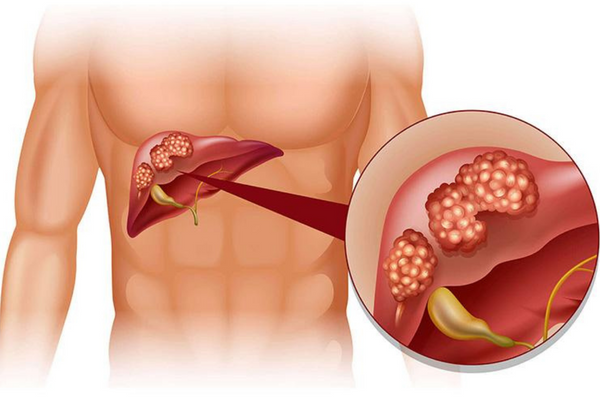
Cirrhosis, if detected early, is treatable
Cirrhosis is a condition in which healthy liver tissue is progressively replaced by scar tissue (fibrosis) due to chronic liver injury, commonly caused by viral hepatitis, alcohol abuse, or non-alcoholic fatty liver disease (NAFLD). As scar tissue accumulates, both the structure and function of the liver become severely impaired. Clinically, the disease is classified into two main stages, reflecting the extent of liver function decline:
- Compensated cirrhosis: This is the early stage of the disease. Although significant liver damage and fibrosis are present, the remaining healthy liver tissue is still sufficient to perform essential physiological functions. Patients at this stage are often asymptomatic, and liver function is relatively preserved, including protein synthesis and bilirubin metabolism.
- Decompensated cirrhosis: This represents the advanced stage, where liver damage is so severe that it can no longer maintain normal function. This leads to serious clinical complications such as ascites (fluid accumulation in the abdomen), jaundice, hepatic encephalopathy, and gastrointestinal bleeding due to ruptured esophageal varices[1].
Distinguishing between these two stages is critically important, as nutritional strategies and treatment protocols differ fundamentally. In the compensated stage, the goal is to maintain adequate nutritional status and slow disease progression. In contrast, in the decompensated stage, nutrition becomes an urgent therapeutic intervention to manage complications and improve survival.
Impact of cirrhosis on nutrient metabolism
When liver function declines, the body’s entire metabolic system becomes severely disrupted, pushing patients into a vicious cycle of malnutrition and muscle catabolism. These disturbances occur simultaneously across multiple metabolic pathways³:
– Carbohydrate metabolism disorders:
- A healthy liver acts as a “glucose reservoir” by storing glycogen. When blood glucose levels drop (e.g., between meals or overnight), the liver breaks down glycogen to release glucose into the bloodstream, maintaining energy supply for the brain and other organs.
- In patients with cirrhosis, the liver’s ability to synthesize and store glycogen is significantly impaired. This results in the loss of a critical energy reserve, increasing the risk of hypoglycemia, especially in the morning after prolonged overnight fasting. To compensate, the body increases the breakdown of muscle protein to generate glucose, initiating a catabolic state.
– Protein metabolism disorders:
- This is the most severely affected pathway. Muscle protein catabolism increases markedly to provide energy and essential amino acids for vital processes.
- At the same time, the liver’s anabolic (synthetic) function declines. The liver can no longer produce sufficient albumin – a key protein responsible for maintaining oncotic pressure in the bloodstream. As a result, patients develop hypoalbuminemia, leading to peripheral edema (leg swelling) and ascites. The combination of increased catabolism and reduced anabolism results in muscle wasting (sarcopenia) and rapid weight loss.
– Disorders of lipid metabolism and micronutrient malabsorption:
- The liver is responsible for producing bile salts, which are essential for the emulsification and absorption of fats and fat-soluble vitamins. In cirrhosis, bile production is impaired, leading to fat malabsorption.
- The direct consequence is a significant deficiency of fat-soluble vitamins (A, D, E, K), resulting in conditions such as night blindness (vitamin A deficiency), osteoporosis (vitamin D deficiency), and coagulation disorders (vitamin K deficiency).
- The liver also serves as a primary storage site for various vitamins and minerals (such as vitamin B12, iron, and zinc). As liver tissue is progressively damaged, this storage capacity is lost, further exacerbating systemic micronutrient deficiencies.
– Factors contributing to reduced dietary intake:
- The cycle of malnutrition is further worsened by the clinical manifestations of cirrhosis itself. Ascites exerts pressure on the stomach, leading to early satiety. The accumulation of toxins in the bloodstream causes anorexia, nausea, and altered taste perception, reducing the patient’s desire to eat. Collectively, these factors decrease total energy and protein intake, accelerating the progression of malnutrition and physical wasting.
Nutritional management in cirrhosis treatment
Nutrition for patients with cirrhosis is not about restriction, but rather a targeted, individualized intervention strategy grounded in scientific recommendations.
Ensure sufficient energy

Balancing the three macronutrients, protein, lipids, and carbohydrates must be approached carefully and scientifically.
– Protein: Contrary to outdated beliefs, protein restriction is unnecessary and may be harmful. Current recommendations support a high protein intake (1.2–1.5 g/kg/day) to prevent malnutrition and muscle wasting, even in patients with a history of hepatic encephalopathy, unless otherwise indicated by a physician. Preference should be given to plant-based proteins (legumes, soy) and protein from dairy and eggs rather than red meat.
– Branched-Chain Amino Acids (BCAAs): BCAAs (Leucine, Isoleucine, Valine) play a particularly important role. They are primarily metabolized in muscle rather than the liver, providing energy, promoting muscle protein synthesis, and have been shown to reduce the risk of progression of hepatic encephalopathy in patients with decompensated cirrhosis.
– Carbohydrates: Complex carbohydrates with a low glycemic index such as brown rice, oats, and sweet potatoes should be prioritized to maintain stable blood glucose levels and provide sustained energy.
– Lipids: Emphasis should be placed on mono- and polyunsaturated fats (especially Omega-3) from fatty fish, nuts, and olive oil, as they possess anti-inflammatory properties and support liver function.
Micronutrient requirements (vitamins and minerals)
Due to impaired absorption and metabolic disturbances, patients with cirrhosis need to pay special attention to micronutrient supplementation. Fat-soluble vitamins (A, D, E, K) are particularly important and often require supplementation due to reduced bile salt production. Zinc is another critical micronutrient, as deficiency is common and has been associated with an increased risk of hepatic encephalopathy. B vitamins should also be adequately supplied to support overall energy metabolism. Regarding fluid intake, in patients with edema and ascites, fluid consumption must be strictly controlled according to medical guidance, typically around 1–1.5 liters per day.
Dietary recommendations for patients with cirrhosis
Applying these principles in practice requires careful food selection, along with strict adherence to dietary precautions.
Foods to prioritize
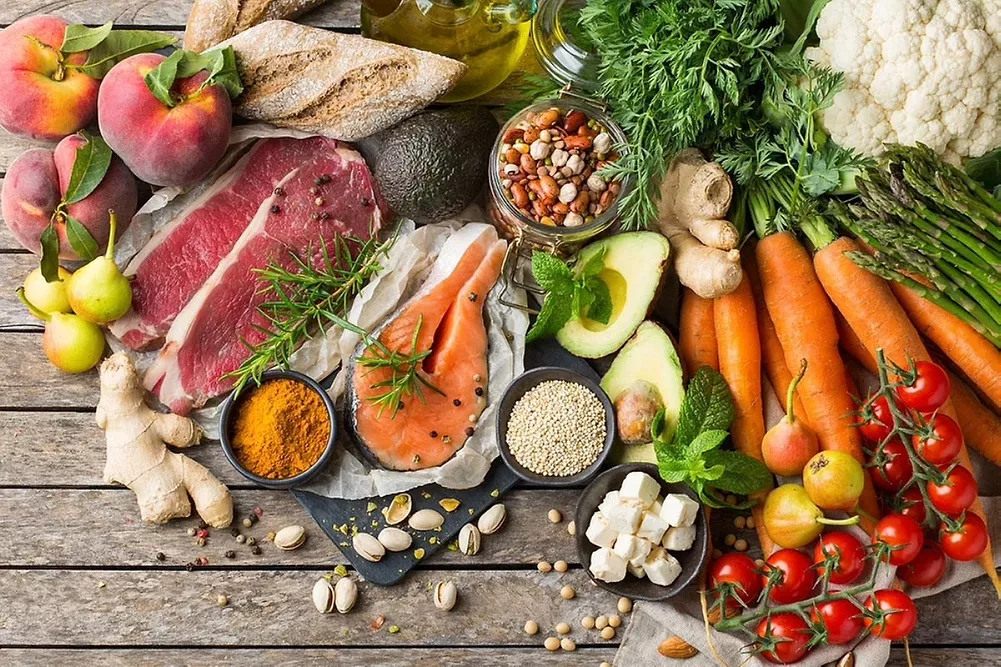
Patients with cirrhosis should prioritize nutrient-dense foods to support their health throughout treatment
To meet the complex nutritional goals outlined above, smart food choices are essential. Patients should prioritize high-quality, easily digestible protein sources such as dairy protein, eggs, skinless poultry, fish, and especially plant-based proteins from tofu and soy milk. Complex carbohydrates rich in fiber from whole grains, vegetables, and a variety of colorful fruits should also be emphasized. Finally, focus on healthy fats with anti-inflammatory properties, including those from avocados, nuts, olive oil, and fatty fish.
Clinical evidence shows that maintaining adequate energy and high protein intake in patients with cirrhosis through a regular diet is a major challenge due to poor appetite, early satiety, and malabsorption. To bridge the gap between ideal nutritional requirements and actual intake, Medical Nutrition solutions play a key role as a therapeutic intervention.
Leanmax Ligos medical nutrition is a formula developed with a deep understanding of metabolic disturbances in cirrhosis. Its foundation lies in providing high energy density and high biological value protein, particularly enriched with Branched-Chain Amino Acids (BCAAs). BCAAs are primarily metabolized in muscle, helping supply energy, promote muscle protein synthesis to counteract sarcopenia, and have been shown to reduce the risk of progression of hepatic encephalopathy.
In addition, the product is fortified with essential micronutrients commonly deficient in cirrhosis patients, including fat-soluble vitamins, zinc, and IgG antibodies, to support immune function and overall metabolic processes. With this multi-mechanism approach, Leanmax Ligos is not merely a meal replacement but a therapeutic nutrition solution, helping patients compensate for deficiencies, support recovery, and improve quality of life.
Foods to limit
When the liver becomes fibrotic, its metabolic and detoxification functions are significantly impaired, making the body highly sensitive to factors that may cause further damage. Therefore, adhering to the following dietary restrictions is not simply avoidance, but a necessary measure to protect the remaining liver function.
First and foremost, alcohol must be completely eliminated. Ethanol is a direct hepatotoxin, and continued consumption accelerates the destruction of remaining liver cells. In addition, patients need to strictly control sodium intake to reduce circulatory burden and manage fluid retention (edema and ascites). A target of less than 2 grams of sodium per day requires avoiding processed foods, fast food, and pickled products, which are major hidden sources of sodium.
Finally, due to impaired detoxification capacity, patients must exercise extreme caution. Any medications, high-dose vitamins, or herbal supplements not prescribed by a physician may become a metabolic burden, posing potential toxicity risks and worsening disease progression.
Conclusion
Nutrition is no longer an isolated factor but an integral component of a comprehensive treatment strategy for cirrhosis. A personalized, goal-oriented nutritional approach can work synergistically with medical interventions to optimize treatment outcomes. Investing in a scientifically designed diet is not only a solution to malnutrition but also a direct investment in preserving remaining liver function, strengthening physical resilience, and enhancing the body’s ability to cope with disease. This is a long-term commitment that requires close collaboration between patients, their families, and healthcare professionals, all working toward a shared goal: not only prolonging life but also improving the quality of life for individuals living with cirrhosis.
References:
|
Maybe you are interested
Immune boost for the elderly with nutrition
The immune system plays an essential role in protecting the body against pathogens, especially in the elderly, whose immune function...
See more
Fractures in older adults: how can nutrition help prevent them?
[caption id="attachment_3591" align="alignnone" width="1536"] Fractures are a common issue in older adults[/caption] Fractures in older adults are a major health...
See more
Spinal bone spurs in the elderly
Over time and age, the vertebrae gradually degenerate, causing Spinal bone spurs. This is a common disease in the elderly,...
See more