 English
 English


How to build a comprehensive nutritional meal plan for the elderly
Aging is accompanied by complex physiological changes, making it increasingly challenging to maintain optimal nutritional status. Older adults often face issues such as reduced appetite, impaired chewing and swallowing ability, and decreased micronutrient absorption due to lower gastric acid production. To counteract these declines, developing a nutritional meal plan for the elderly requires a scientific and personalized approach. Understanding individual nutritional needs and applying evidence-based dietary principles are essential to help older adults maintain health, preserve mobility, and enhance overall quality of life.

Creating a comprehensive nutritional menu brings a healthier life for the elderly
Common nutritional challenges in older adults
To develop an effective nutrition strategy, it is essential to identify the key challenges that make it difficult for older individuals to meet their nutritional needs.
Risk of muscle loss (Sarcopenia)
Muscle loss is one of the most serious health problems in older adults. This condition, known as sarcopenia, occurs due to a core physiological phenomenon of aging called “anabolic resistance.” This is a condition where skeletal muscle cells become less sensitive to key anabolic stimuli, including amino acids (especially leucine) from dietary protein and growth hormones such as insulin.

The risk of muscle loss (sarcopenia) affects nutrition in the elderly
In younger individuals, a protein-rich meal strongly activates the mTORC1 signaling pathway, a critical biochemical pathway responsible for initiating muscle protein synthesis. Acting as a nutrient and energy sensor, mTORC1 responds to amino acids, particularly leucine by promoting muscle growth, repair, and maintenance of lean body mass. However, in older adults, the activation threshold of this pathway is significantly higher. This means higher concentrations of amino acids in the bloodstream are required, and greater protein intake per meal is needed to achieve the same anabolic response. This diminished responsiveness is the hallmark of anabolic resistance, leading to an imbalance between muscle protein synthesis and breakdown, ultimately resulting in progressive muscle loss over time.
Reduced nutrient absorption
Natural aging leads to a decline in overall digestive function. Reduced gastric acid (hypochlorhydria) impairs the release and absorption of key nutrients such as vitamin B12, calcium, and iron. Also, decreased digestive enzyme secretion slows food breakdown, reduced gut motility contributes to indigestion and chronic constipation. These changes directly impact appetite, digestion efficiency, and nutrient bioavailability.
Loss of appetite due to psychological factors
In addition to physiological factors, multiple barriers also contribute to nutritional deficiencies. Among these, oral health issues, such as weakened teeth or tooth loss significantly reduce chewing ability, leading older adults to prefer softer, less diverse foods. The risk of dehydration also increases due to a diminished sense of thirst with age. This condition not only affects renal function and cognitive performance but also directly contributes to constipation, further exacerbating malabsorption.
Finally, psychological factors such as loss of appetite, social isolation, and depression act as behavioral barriers, reducing overall food intake and leading to significant deficiencies in energy and protein.
Nutritional Needs for the elderly
Meal planning should be based on specific quantitative recommendations, focusing on compensating for deficiencies and counteracting catabolism.
Energy and protein requirements
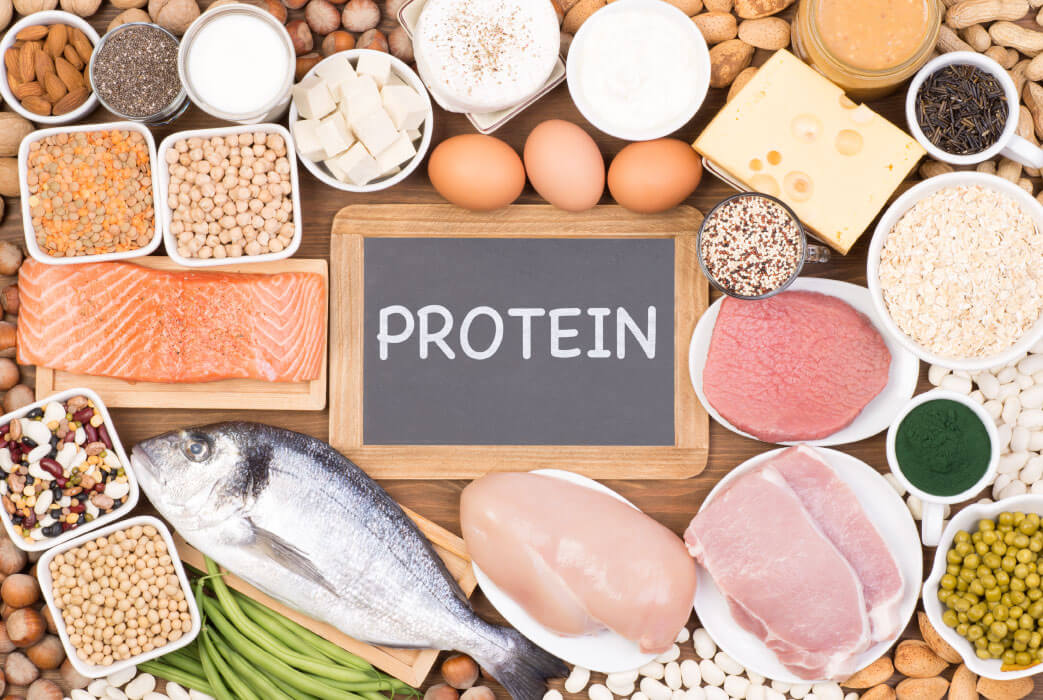
Older adults need to supplement their daily intake with quality protein
Energy is the fundamental factor for maintaining vital and physical activities. Energy requirements in older adults tend to decrease slightly due to reduced muscle mass and lower levels of physical activity, typically ranging from 1,700 to 1,900 kcal/day, depending on individual condition, gender, and activity level.
Protein plays a critical role in counteracting Sarcopenia. Due to anabolic resistance, older adults require a higher protein intake compared to younger individuals. Recommendations from international geriatric associations suggest 1.0–1.2 g/kg body weight/day. Priority should be given to high-quality, easily digestible protein sources such as fish, poultry, eggs, milk, and soy-based products like tofu and soy milk, while reducing the consumption of red meat.
Carbohydrate and fat requirements
Lipids (fats) are a dense source of energy and are essential for the absorption of fat-soluble vitamins such as vitamins A, D, E, and K. However, the selection of fat types is critically important. Priority should be given to unsaturated fats found in vegetable oils (such as olive, soybean, and canola oils), and especially fish oil rich in Omega-3 fatty acids, which possess anti-inflammatory properties and support cardiovascular health. In contrast, saturated fats from animal fat and organ meats should be minimized.
Carbohydrates should be consumed in moderation, primarily from complex sources such as whole grains (brown rice, oats) and root vegetables. These foods not only provide a sustained source of energy but also serve as a rich source of dietary fiber.
Requirements for vitamins, minerals, and fluids
Aging increases the body’s demand for several essential micronutrients. Calcium and Vitamin D are a key duo in preventing osteoporosis, especially as the skin’s ability to synthesize Vitamin D declines. The recommended intake for older adults is typically 1,000–1,200 mg of Calcium per day and 800–1,000 IU of Vitamin D per day. Good sources include low-fat milk, dairy products, small fish eaten whole (with bones), and dark green vegetables.
Dietary fiber plays a crucial role in preventing constipation and maintaining gut health. The recommended intake is 20-25 mg per day (equivalent to about 300 g of vegetables and 100–200 g of fruits). Vitamins B, C, and E, along with other antioxidants, can be adequately obtained by increasing the intake of colorful fresh fruits and vegetables. In particular, Vitamin B12 intake should be closely monitored, as its absorption tends to decline in older adults.
Finally, ensuring adequate hydration (around 1.5–2 liters per day) through water, soups, broths, and milk is essential to prevent dehydration and support digestive function.
Finally, ensuring adequate hydration (approximately 1.5–2 liters/day) through water, soups, broths, and milk is essential to prevent dehydration and support digestive function.
3 principles for creating a comprehensive meal plan for the elderly
Based on the analyzed nutritional needs, building a daily meal plan can be simplified by adhering to the following three golden principles.
Principle 1: Balance the four nutrient groups and control seasonings
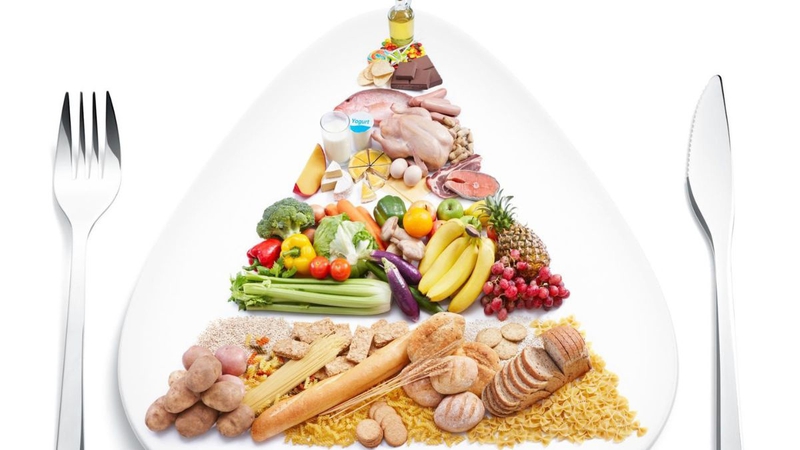
Meals for older adults should ensure balanced nutrition and controlled seasoning
Each main meal needs to include a balanced combination of the four essential nutrient groups: Protein, Carbohydrates, Lipids, and Vitamins & minerals. Special attention should be given to diversifying protein sources (combining both plant and animal proteins) and prioritizing healthy fats such as Omega-3.
At the same time, seasoning intake must be strictly controlled. Salt should be limited to under 5 g/day to help manage blood pressure, and sugary foods and sweetened beverages should be minimized to avoid blood glucose imbalances.
Principle 2: Prioritize easily digestible foods and healthy cooking methods
Food preparation and texture play a decisive role in digestion and nutrient absorption in older adults. Healthy cooking methods such as boiling, steaming, stewing, and light braising should be prioritized to preserve nutritional value while minimizing fat intake. In addition, soft, easy-to-chew and swallow foods—such as fish, minced meat, eggs, well-cooked vegetables, porridge, soups, and milk—should be selected to address dental issues and swallowing difficulties.
Principle 3: Divide meals and include nutritious snacks
Instead of consuming three large main meals that may overload the digestive system, older adults should divide their intake into three main meals and 2–3 light snacks. This strategy not only helps maintain stable energy levels throughout the day but has also been shown to optimize muscle protein synthesis.
Snacks play a strategic role in meeting increased nutritional demands and enhancing protein synthesis in older adults. However, preparing snacks that are both nutrient-dense, easy to digest, and convenient can be challenging. This is where medical nutrition solutions with standardized and easily absorbable nutrient profiles become an effective support tool for older adults.
Developed by Nutricare and the Nutricare Medical Nutrition Institute – USA (NMNI-USA), Nutricare Gold nutritional supplements and ready-to-drink Nutricare Gold (collectively referred to as “Nutricare Gold”) are designed to directly address complex nutritional challenges in older adults. The product provides high-quality protein, including easily absorbed whey protein from the USA, delivering essential amino acids to support muscle maintenance and regeneration, thereby helping counteract Sarcopenia.
In addition, the Nutricare Gold formula is enriched with a key trio of micronutrients for musculoskeletal health: Calcium, Vitamin D3, and Vitamin K2, supporting bone density and helping prevent osteoporosis. With 56 essential nutrients, heart-healthy fats, and FOS fiber to support digestion, Nutricare Gold is not just a simple snack but a comprehensive nutritional solution, enabling older adults to achieve their health goals effectively and conveniently.
Sample menu for the elderly

A complete and balanced diet for the elderly
To make it easier to visualize and apply the above principles, here are some sample menus designed to meet different energy levels, ensuring balance, variety, and suitability for older adults.
| Time | meal | Sample menu ~1700 kcal (Suggested serving size) | Sample menu ~1900 kcal (Suggested serving size) |
| 7h00 | Breakfast | Oatmeal porridge (50g dry) cooked with minced pork (30g). | Chicken pho (1 medium bowl, ~150g rice noodles, 80g chicken meat). |
| 9h30 | Brunch | 1 glass of Nutricare Gold milk (200ml). | 1 glass of Nutricare Gold milk (200ml). |
| 12h00 | Lunch | White rice (1 bowl, ~150g).
Steamed red snapper (1 piece, ~100g). Pumpkin soup (1 bowl) with shrimp (20g). Boiled broccoli. (100g). |
White rice (1.5 bowls, ~225g).
Braised chicken (1 small thigh, ~120g). Spinach soup (1 bowl) with shrimp (20g). Boiled chayote. (100g). |
| 15h00 | Afternoon snack | Fruit: 1 orange (~200g). | Fruit: 1 apple (~180g). |
| 18h00 | Dinner | White rice (1 bowl, ~150g).
Steamed egg (1) with minced meat (50g). Jute and spinach soup (1 bowl). |
White rice (1 bowl, ~150g).
Tofu (2 blocks, ~200g) stuffed with meat (50g) in tomato sauce. Winter melon soup (1 bowl). |
| 21h00 | Supper | 1 glass of Nutricare Gold milk (200ml). | 1 glass of Nutricare Gold milk (200ml). |
Conclusion
Nutritional management for older adults is a complex yet essential strategy to maintain quality of life. To achieve optimal outcomes, this approach should focus on increasing high-quality protein intake to counteract muscle catabolism, while ensuring adequate micronutrient supplementation to protect bone health and support neurological function. Adhering to key principles such as meal splitting and soft food preparation is crucial to optimize nutrient absorption. Scientifically grounded nutrition provides a solid foundation for older adults to maintain mobility, enhance immunity, and improve overall healt.
References:
|
Maybe you are interested
Frailty syndrome in older adults and nutritional interventions
[caption id="attachment_3585" align="alignnone" width="1536"] Frailty syndrome is common in adults over 75[/caption] Unintentional weight loss, persistent fatigue, and slowed mobility...
See more
The importance of monitoring and assessing children’s height
Height is not only a measure of appearance, but also plays an extremely important role in the comprehensive development of...
See more
Nutrition and the role of sleep support in the elderly
Sleep is an essential biological process that allows the body to restore itself, consolidate memory, and balance hormones. However, the...
See more