 English
 English


Nutrition strategies to improve constipation in the elderly
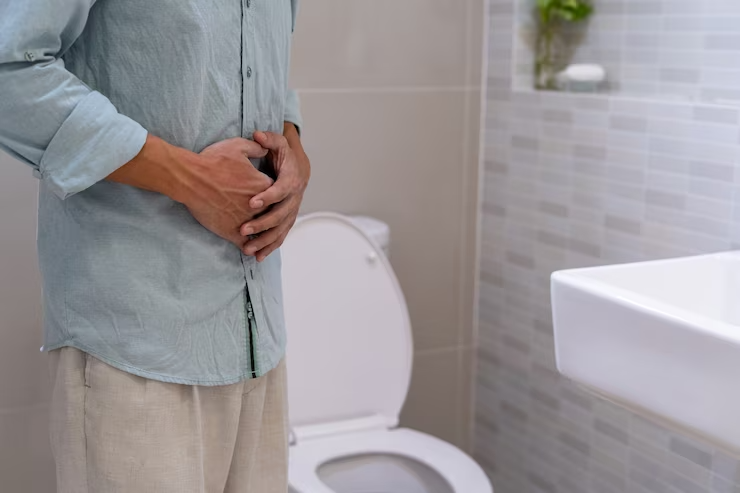
Constipation – a common health concern in the elderly
Constipation is a prevalent chronic condition among the elderly, significantly impacting public health, with a reported prevalence of over 20% in this population. Beyond common symptoms such as abdominal discomfort and bloating, persistent constipation poses a silent threat to overall nutritional status by impairing micronutrient absorption and directly diminishing quality of life.
The root of this condition lies in the interplay of two primary factors: age-related physiological changes in gastrointestinal function and a significant imbalance in the gut microbiota. Prolonged digestive dysfunction not only exacerbates underlying malnutrition but may also lead to serious clinical complications, ranging from hemorrhoids to an increased risk of systemic infections due to compromised intestinal barrier integrity.
Causes of Constipation in the elderly
To effectively address constipation at its source, it is essential to understand both the physiological changes associated with aging and the external factors that contribute to the decline in gastrointestinal function over time.
Decreased physiological bowel motility and reduced enzyme secretion

Decreased bowel motility and reduced enzyme secretion are the causes of constipation in the elderly
Aging has a direct impact on the gastrointestinal system, leading to a progressive decline in overall digestive function. One of the most affected mechanisms is intestinal motility. Degeneration of the enteric nervous system and reduced reflex activity slow down the movement of food through the colon. As a result, the prolonged transit time increases water reabsorption from the stool, making it dry, hard, and difficult to pass. At the same time, the secretion of gastric juices and digestive enzymes such as amylase and lipase also declines. This reduction impairs food breakdown, contributing to symptoms like indigestion and bloating, while decreasing the efficiency of essential nutrient absorption in older adults.
Gut microbiota imbalance
The composition of the gut microbiota changes significantly with age, often leading to a condition known as dysbiosis. This imbalance is characterized by a decline in both the diversity and abundance of beneficial bacteria, alongside the overgrowth of harmful microorganisms.
In older adults, key beneficial strains such as Bifidobacteria and Lactobacilli tend to decrease, while pathogenic bacteria may increase. This shift reduces the gut’s ability to ferment dietary fiber and produce short-chain fatty acids (SCFAs) – critical compounds for maintaining intestinal mucosal health and supporting motility.
Additionally, older individuals often rely on multiple medications for chronic conditions. Side effects from drugs such as opioid analgesics, sedatives, or certain calcium and iron supplements can further slow intestinal motility, significantly contributing to chronic constipation.
Nutritional deficiencies and lifestyle habits
Constipation is closely linked to dietary patterns and daily habits. One of the most significant contributors is insufficient fiber intake. Older adults often adopt restrictive diets, favor softer foods, and reduce their consumption of vegetables and fruits, resulting in fiber intake falling below the recommended 20–25 grams per day. In addition, the natural decline in thirst sensation with age leads to reduced fluid intake. The combination of low fiber and inadequate hydration decreases stool bulk, making it dry and hard, thereby increasing difficulty during bowel movements.

Fiber and fluid deficiency – a key driver of constipation in the elderly
In addition, other factors also contribute significantly to this situation. These include limited physical activity in the elderly, which reduces mechanical stimulation of bowel motility. Simultaneously, decreased bowel sensation or the habit of suppressing the urge to defecate due to reduced rectal nerve sensitivity also causes stool to remain in the intestines longer.
Health complications of chronic constipation in the elderly
Chronic constipation is not merely an isolated symptom; it is a predisposing factor for serious clinical complications that directly impact quality of life and nutritional status.
Increased risk of infection and impaired gut immunity
The gut and immune system are closely interconnected. Constipation-associated dysbiosis, along with reduced production of short-chain fatty acids (SCFAs) such as butyrate, compromises the integrity of the intestinal mucosal barrier. This disruption increases intestinal permeability, commonly referred to as “leaky gut”, allowing endotoxins and bacteria to translocate into the bloodstream, triggering systemic inflammation. Such alterations not only elevate the risk of localized infections but also impair approximately 70% of the body’s immune cells residing in the gut, ultimately weakening overall immune defense.
Impaired nutrient absorption and related consequences

Constipation reduces nutrient absorption in the elderly
Chronic constipation can lead to multiple mechanical complications in the lower gastrointestinal tract, including an increased risk of hemorrhoids, anal fissures, and diverticular disease. In severe cases, it may result in intestinal obstruction or the formation of fecal impaction.
From a nutritional perspective, prolonged constipation and indigestion reduce the efficiency of micronutrient absorption. This particularly affects essential nutrients such as vitamin B12, zinc, and folic acid, thereby exacerbating underlying malnutrition and potentially leading to anemia or impaired neurological function. Moreover, persistent discomfort associated with constipation can trigger psychological consequences, including fatigue, anxiety, and low mood, ultimately diminishing overall quality of life in older adults.
Nutritional strategies for prevention and management of constipation
Effective management of constipation requires a multifaceted approach, in which nutrition serves as the first-line intervention. The primary goals include restoring intestinal function, rebalancing the gut microbiota, and providing essential substrates for digestive health and recovery.
Increasing soluble fiber (Prebiotics)
Unlike insoluble fiber, which primarily works by adding bulk to stool, soluble fiber (such as FOS/Inulin) has the ability to absorb water and form a soft gel-like substance. This helps soften stool and facilitate smoother bowel movements. More importantly, soluble fiber functions as a prebiotic, serving as a selective nutrient source for beneficial gut bacteria. When fermented by these microbes, it produces short-chain fatty acids (SCFAs)). Saturated fatty acids (SCFAs) are the primary energy source for intestinal epithelial cells, helping to maintain mucosal integrity, promote cell differentiation, and stimulate natural bowel movements. The recommended fiber intake for older adults is to gradually increase it to 20-25 grams per day, prioritizing sources such as oats, legumes, apples, bananas, and vegetables.
Supplementing Gut microbiota with Probiotics and Postbiotics
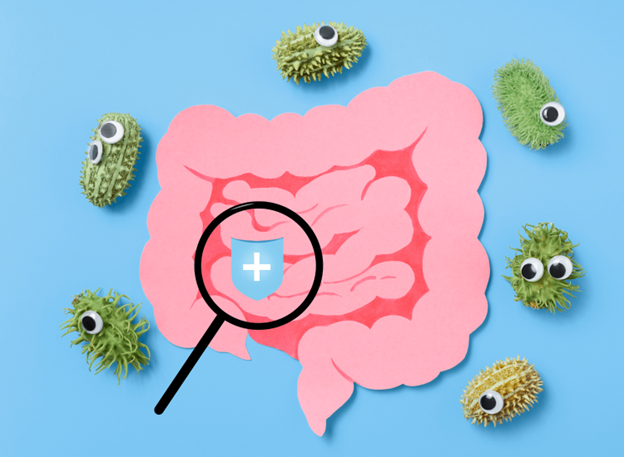
Microbiota support to improve constipation
To restore gut microbiota balance, microbial-based interventions are essential. Probiotics are live beneficial bacteria that directly replenish healthy strains, enhance microbial diversity, and competitively inhibit harmful bacteria. However, modern nutritional science is increasingly focusing on Postbiotics – bioactive compounds produced by probiotics that no longer contain live cells. Postbiotics are considered a more advanced solution due to their: High stabilit, resistance to gastric acid conditions, ability to directly interact with immune receptors. These properties enable postbiotics to inhibit pathogenic bacteria and effectively regulate gut immunity. The combination of probiotics and postbiotics represents a key strategy in rebuilding a healthy intestinal immune foundation.
Lifestyle and dietary modifications
Nutritional interventions need to be considered within a holistic lifestyle context for optimal effectiveness. Specifically, older adults need to ensure adequate water intake (at least 1.5–2 liters/day), as fiber is only effective in softening stool when there is sufficient solvent. Simultaneously, increased physical activity, even gentle walking, has been shown to stimulate the mechanical motility of the colon, supporting the natural process of bowel movement.
When conventional dietary modifications are insufficient or difficult to maintain, specialized nutritional solutions become a necessary and evidence-based intervention.
Developed by Nutricare in collaboration with the Nutricare Medical Nutrition Institute – USA (NMNI-USA), Nutricare Gold nutritional supplements (including both powder and ready-to-drink formats) are specifically designed to address the root causes of constipation in older adults. The formula features a dual soluble fiber system (FOS/Inulin), acting as a powerful prebiotic. This system not only softens stool and promotes regular bowel movements and enhances stool frequency naturally, but also serves as a selective fuel source for beneficial gut bacteria, thereby restoring microbiota balance and supporting long-term intestinal health.
Beyond its digestive benefits, Nutricare Gold serves as a comprehensive nutritional solution to support overall health in older adults. The product provides high-quality, easily digestible protein, which plays a critical role in maintaining muscle mass, an essential factor for sustaining physical activity and indirectly promoting healthy intestinal motility. In addition, with 56 essential nutrients, including a robust antioxidant system (Vitamins A, C, E, and Selenium), Nutricare Gold helps strengthen immune function, which is closely interconnected with gut health.
With this multidimensional approach, Nutricare Gold is not merely a digestive aid but a holistic nutritional strategy that reinforces overall health foundations and enhances quality of life in the elderly.
Conclusion
Constipation and digestive disorders represent significant health challenges in older adults, primarily driven by reduced intestinal motility and gut microbiota imbalance. Without timely intervention, these conditions may increase the risk of malnutrition and infectious complications. Effective management requires a modern nutritional strategy—one that goes beyond simple fiber supplementation. Priority should be given to restoring intestinal mucosal integrity through soluble fiber therapy, alongside advanced microbiota-supporting components such as postbiotics to rebalance the gut ecosystem. Proactive nutrition is therefore the key to helping older adults strengthen gut health, optimize nutrient absorption, and maintain a resilient immune foundation.
References:
|
Maybe you are interested
Guidelines for calcium supplementation in the elderly to prevent osteoporosis
[caption id="attachment_3566" align="alignnone" width="899"] Calcium is the foundation of strong bone[/caption] Calcium is a fundamental mineral for maintaining a strong...
See more
Osteoarthritis in the elderly and improvement methods
Osteoarthritis is a common problem in the elderly, is currently on the rise and has many impacts on the patient's...
See more
F100 Formula – Growth and protection for malnourished children according to recommendations of the World Health Organization (WHO)
Recommended by the World Health Organization (WHO) and the Ministry of Health for use in malnourished children, F100 formula helps...
See more